
Platform
An orchestration layer between the asset and your systems.
EuroNode organises a usable record around the asset. The platform provides the registrar engines; the register becomes the system of record available to authorised parties.
Architecture
Four layers, one continuous record.
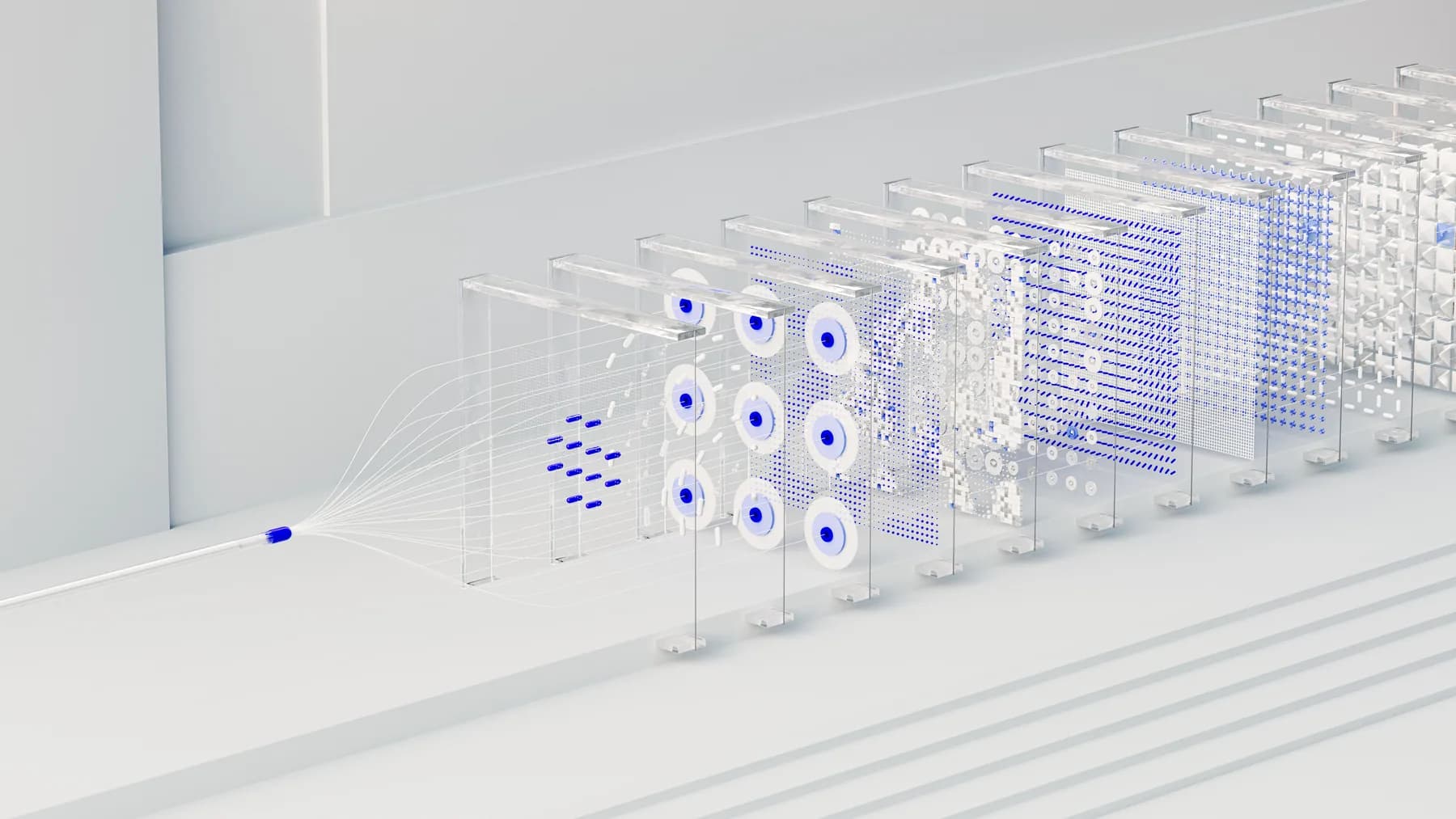
Assets and sources
Equipment, projects, documents, ERP systems, IoT and partner data.
Identity and rules
Asset model, rights, checks, events and levels of evidence.
EuroNode registry
A structured, verifiable and interoperable history for each asset.
Uses and networks
Passports, audits, finance, transfers and partner services.
Operational lifecycle
From creation to transfer.
Platform engines
What makes the register autonomous.
Autonomy comes from rules, workflows and controls. It does not rely on an artificial intelligence model.
Identity and asset model
A persistent record links the physical asset to its useful attributes.
Events
Each relevant operational fact is dated, attached and consultable.
Rules and controls
Entry, update and validation conditions run in a repeatable way.
Rights and permissions
Access and action depend on the role of each authorised party.
Workflows
Onboarding, validation, transfer or cancellation follow an explicit path.
Reconciliation
Multiple sources are aligned to reduce manual discrepancies.
Audit trail
Actions, evidence and extracts remain traceable over time.
Deployment modes
The right level of distribution, at the right time.
Autonomous, intelligent database
A centralised register whose rules, controls, workflows, events, reconciliation, permissions and audit run without manual intervention at every step.
Suitable for a first register within a controlled scope.Hybrid
Conventional operational data with selected evidence recorded in a shared ledger.
Suitable for ecosystems that need verification without exposing all data.DLT
Distributed infrastructure for rights and transfers shared between several organisations.
Used only where distributed governance brings clear value.Operational trust
Access, security and audit trail.
Every action on the register is attributable. Access rights, evidence and history remain available to authorised parties.
Role-based permissions
Viewing, changing, validating or extracting depends on each party's mandate.
Audit log
Creations, updates, transfers and cancellations leave a dated trail.
Evidence and retention
Useful documents and events remain attached to the relevant entry.
Continuity and reversibility
The service is designed for operations, recovery and data exit, without an unnecessary lock-in.
European framework
Designed to support alignment and integration.
EuroNode does not claim any label, audit or authorisation against these texts. The platform helps connect the required data, evidence and rights. Obligations remain with economic operators and, for DORA, with the client financial entities.
Digital product passport
ESPR establishes the digital product passport. EuroNode can keep the identity, evidence and lifecycle register that supports this type of use, without replacing the economic operator.
Official textProduct passport registry
The implementing regulation specifies how the passport registry works. EuroNode is designed to fit this exchange architecture when the product case requires it.
Official textBattery passport
The battery passport applies from 18 February 2027. EuroNode can document origin, composition, use, condition and second life of a tracked battery.
Official textAccess to connected product data
The Data Act governs access to and sharing of connected product data. The registrar can organise access rights without exposing data beyond the mandate.
Official textIdentity and trust services
eIDAS 2 covers identity, attestations and trust services. EuroNode can connect when identity or attestation evidence is required.
Official textDigital operational resilience
For financial use cases, EuroNode can act as an ICT third-party provider: continuity, incidents, auditability, subcontractor control and reversibility. DORA obligations sit primarily with the client financial entity. EuroNode is not presented as a critical ICT third-party provider.
Official textDesign principles
Infrastructure designed for long-term use.
Asset-centred
The model follows the reality of the asset, not the structure of a tool.
Designed for integration
Existing systems become sources and destinations, not obstacles.
Explicit rights
Access and actions are defined according to each party's role.
Controlled evolution
Technology complexity increases only when the use case requires it.
Let's see where to open the first register in your architecture.
One discussion is enough to map the sources, parties and scope of the first useful register.